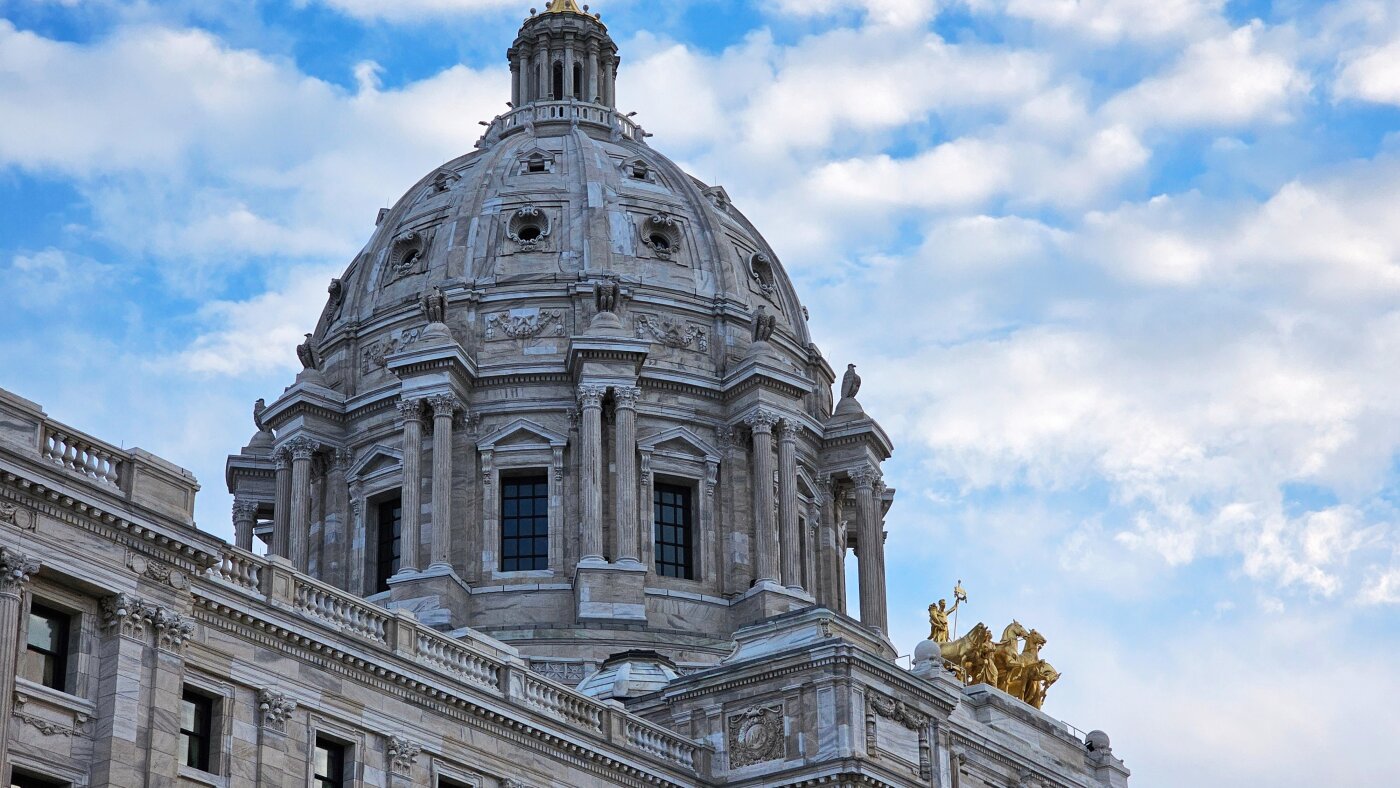
Our platform provides equity market coverage with a focus on earnings trends and trading activity. Minnesota has become the first U.S. state to pass a law making it a felony for prediction market platforms such as Kalshi and Polymarket to operate within its borders. This move escalates state-level regulatory actions against the controversial industry, which dozens of other states have also targeted through legal measures.
Live News
Minnesota Enacts Nation's First Felony Ban on Prediction MarketsThe role of analytics has grown alongside technological advancements in trading platforms. Many traders now rely on a mix of quantitative models and real-time indicators to make informed decisions. This hybrid approach balances numerical rigor with practical market intuition.- Minnesota is the first U.S. state to pass a law making facilitation of prediction markets a felony offense.
- Dozens of other states have taken legal actions—such as cease-and-desist orders and lawsuits—against the industry, but none had previously imposed criminal penalties.
- The law specifically names Kalshi and Polymarket, two leading platforms in the event-betting space, but could apply broadly to any similar operator.
- This regulatory move may create a precedent for other states considering stricter measures, potentially leading to a patchwork of laws across the country.
- The industry faces both state and federal scrutiny, with the CFTC having previously proposed rule changes that could restrict these markets.
- Consumer protection and gambling addiction concerns are central arguments used by supporters of the ban, while opponents highlight the value of prediction markets for forecasting and hedging.
Minnesota Enacts Nation's First Felony Ban on Prediction MarketsSome investors use trend-following techniques alongside live updates. This approach balances systematic strategies with real-time responsiveness.Cross-asset correlation analysis often reveals hidden dependencies between markets. For example, fluctuations in oil prices can have a direct impact on energy equities, while currency shifts influence multinational corporate earnings. Professionals leverage these relationships to enhance portfolio resilience and exploit arbitrage opportunities.Minnesota Enacts Nation's First Felony Ban on Prediction MarketsSome investors prefer structured dashboards that consolidate various indicators into one interface. This approach reduces the need to switch between platforms and improves overall workflow efficiency.
Key Highlights
Minnesota Enacts Nation's First Felony Ban on Prediction MarketsInvestors may use data visualization tools to better understand complex relationships. Charts and graphs often make trends easier to identify.In a significant development for the rapidly evolving prediction market sector, Minnesota has enacted legislation that criminalizes the operation of platforms like Kalshi and Polymarket, classifying such activity as a felony. While numerous states have pursued legal action against the industry—often through cease-and-desist orders or consumer protection lawsuits—Minnesota is the first to pass a law with criminal penalties.
The new statute directly targets companies that facilitate event-based betting, often referred to as "prediction markets," where users wager on outcomes ranging from election results to economic indicators. Proponents of the ban argue these platforms pose risks similar to unregulated gambling and may distort public discourse or market signals. Critics contend the law could stifle innovation and push operators into less-regulated jurisdictions.
Kalshi and Polymarket, two of the largest names in the space, have previously faced scrutiny from federal regulators, including the Commodity Futures Trading Commission. The Minnesota law adds a layer of state-level enforcement that could complicate their business models. It remains unclear how aggressively the state will pursue out-of-state operators that accept Minnesota residents or whether the law will face constitutional challenges.
Minnesota Enacts Nation's First Felony Ban on Prediction MarketsFrom a macroeconomic perspective, monitoring both domestic and global market indicators is crucial. Understanding the interrelation between equities, commodities, and currencies allows investors to anticipate potential volatility and make informed allocation decisions. A diversified approach often mitigates risks while maintaining exposure to high-growth opportunities.Some traders focus on short-term price movements, while others adopt long-term perspectives. Both approaches can benefit from real-time data, but their interpretation and application differ significantly.Minnesota Enacts Nation's First Felony Ban on Prediction MarketsCross-asset analysis provides insight into how shifts in one market can influence another. For instance, changes in oil prices may affect energy stocks, while currency fluctuations can impact multinational companies. Recognizing these interdependencies enhances strategic planning.
Expert Insights
Minnesota Enacts Nation's First Felony Ban on Prediction MarketsSome traders adopt a mix of automated alerts and manual observation. This approach balances efficiency with personal insight.From an investor perspective, the Minnesota law signals a potential shift in the regulatory landscape for prediction markets. While the industry has grown rapidly in recent years—drawing venture capital and retail interest—state-level criminalization introduces a new tier of operational risk. Companies may need to geo-restrict access more rigorously or consider relocating their legal entities.
Observers suggest that the federal regulatory environment remains the primary determinant of long-term viability for these platforms. The CFTC has previously signaled a desire to rein in contracts tied to political events and other "non-traditional" outcomes. If more states follow Minnesota's lead, the compliance burden could rise substantially, potentially limiting market growth.
Industry analysts might view this as a cautionary development for investors exposed to prediction market startups or related technology providers. However, without clearer federal guidance, the sector is likely to face continued legal uncertainty. Any foray into this space should account for the possibility of expanding regulatory actions across multiple jurisdictions. The outcome of any legal challenges to the Minnesota law could also influence how other states approach the issue in the months ahead.
Minnesota Enacts Nation's First Felony Ban on Prediction MarketsHistorical patterns still play a role even in a real-time world. Some investors use past price movements to inform current decisions, combining them with real-time feeds to anticipate volatility spikes or trend reversals.While technical indicators are often used to generate trading signals, they are most effective when combined with contextual awareness. For instance, a breakout in a stock index may carry more weight if macroeconomic data supports the trend. Ignoring external factors can lead to misinterpretation of signals and unexpected outcomes.Minnesota Enacts Nation's First Felony Ban on Prediction MarketsCombining global perspectives with local insights provides a more comprehensive understanding. Monitoring developments in multiple regions helps investors anticipate cross-market impacts and potential opportunities.